

In today’s world, understanding the ideologies that shaped historical events is crucial for comprehending modern political dynamics. One such term that has left a lasting impact on the world is fascisterne. This article explores the origins, ideologies, and lasting effects of fascisterne, and why understanding it is vital in today’s socio-political context.
What is Fascisterne?
Fascisterne refers to a political ideology rooted in fascism, a far-right authoritarian movement that gained prominence in Europe during the early 20th century. At its core, fascisterne advocates for the supremacy of the state over individual freedoms, emphasizing nationalism, militarism, and dictatorial power. Leaders like Benito Mussolini in Italy and Adolf Hitler in Germany are closely associated with fascisterne, but the ideology itself is larger than any individual regime—it’s about creating a totalitarian state under a single, powerful leader.
This ideology often promotes ethnic or national superiority, glorifies violence, and rejects liberal democracy and communism, positioning itself as a counterforce to both.
The Historical Roots of Fascisterne
Fascism emerged in the aftermath of World War I, a time of political and economic instability in Europe. In countries like Italy and Germany, this instability made fascism a promising alternative to Marxism and democracy, which many felt had failed to address the problems of the post-war world.
Mussolini founded the Fascist Party in Italy in 1919, while Hitler’s Nazi Party rose to prominence in Germany in the 1930s. Both regimes, along with others in Spain and elsewhere, embraced fascisterne—a political and social ideology that sought to replace traditional democratic institutions with an authoritarian, centralized state.
Fascism’s Influence on European Politics
The rise of fascisterne dramatically altered Europe’s political landscape. In countries like Germany, Italy, and Spain, fascist regimes dismantled democratic structures, built totalitarian states, and emphasized militarization and aggressive nationalism. Under fascist rule, state control over the economy, the military, and the media became key features of society.
In the 1930s and 40s, fascism’s influence helped propel Europe into World War II, as fascist states sought territorial expansion and pursued brutal policies of oppression.
Ideologies and Beliefs Behind Fascisterne
The key principles of fascisterne revolve around nationalism, authoritarianism, and militarism. Fascism seeks to unify the nation under a singular, often dictatorial leader and rejects democratic or left-wing political movements as destabilizing forces.
Key Principles of Fascisterne:
-
Nationalism: The belief in the superiority of the nation-state and its people.
-
Authoritarianism: The advocacy for a centralized, dictatorial government.
-
Anti-Communism: The rejection of socialist ideologies and Marxism.
-
Militarism: The glorification of military strength and the use of force to achieve political aims.
The Role of Propaganda and Symbolism
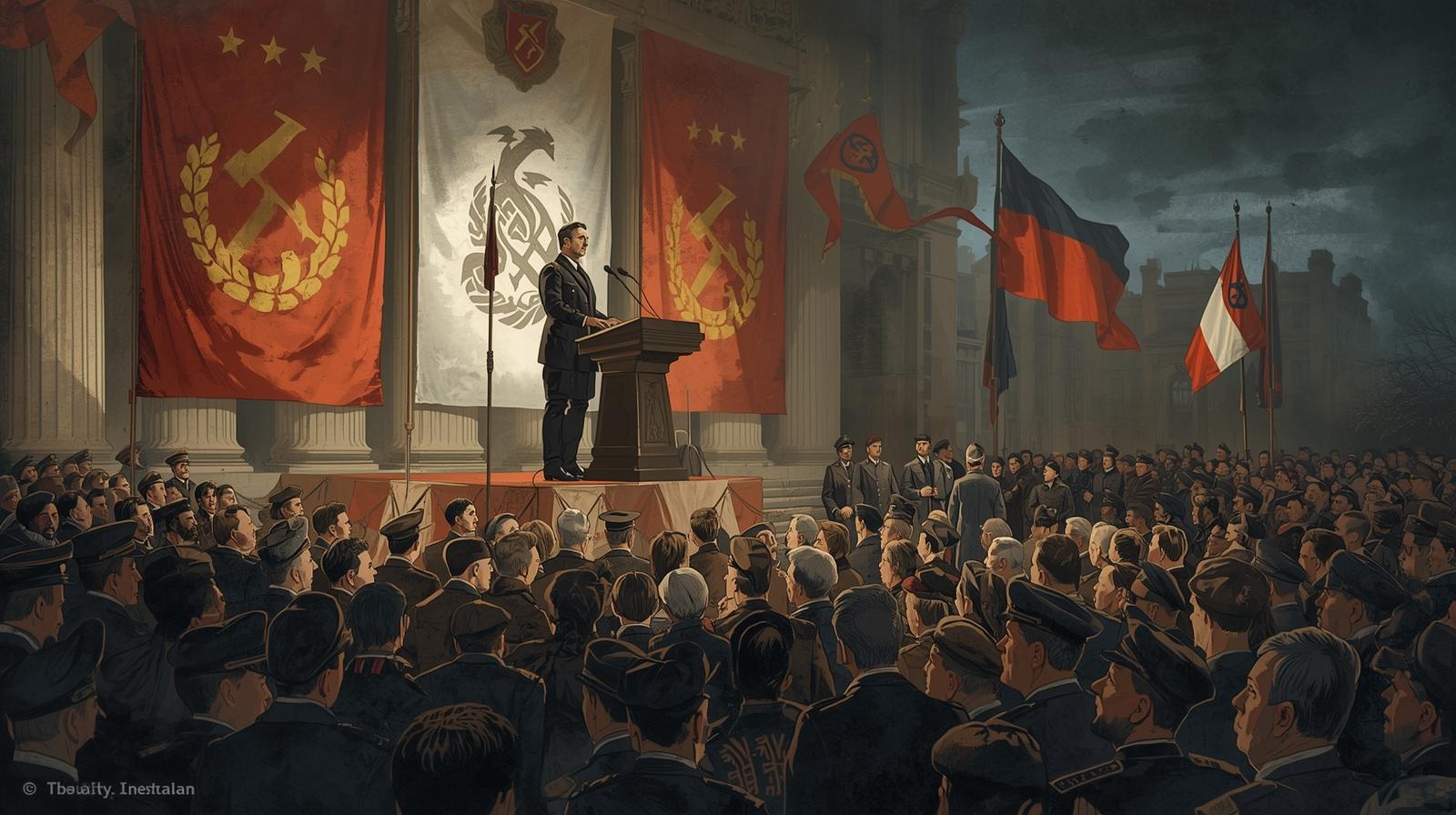
Fascisterne heavily relied on propaganda to maintain control and influence public opinion. Leaders like Mussolini and Hitler used mass media to create an idealized image of their regimes, often portraying themselves as strong, benevolent figures who would restore national greatness.
Symbols like the swastika in Nazi Germany and the fasces in Italy became synonymous with fascisterne, helping to rally citizens to the cause. The emotional and psychological power of these symbols was immense—they fostered a sense of unity and belonging while reinforcing the regimes’ ideologies.
Fascisterne and the Rise of Political Movements
While the fascist regimes of the early 20th century were ultimately defeated, fascisterne continues to influence modern-day political movements. The resurgence of far-right ideologies across Europe and North America shows that elements of fascisterne—such as extreme nationalism, xenophobia, and anti-immigrant sentiment—remain potent forces in politics today.
Fascisterne in Contemporary Politics
In contemporary politics, we see a growing trend of populist movements that draw on the rhetoric and tactics of fascisterne. Nationalist leaders across the globe often focus on reclaiming national identity and strength, invoking fear of outsiders and promising to restore power to the “true people” of the nation. These movements, while not identical to fascist regimes, echo many of the principles of fascisterne, highlighting the continued relevance of studying its origins and impact.
Cultural Representations of Fascisterne
Over the years, fascisterne has been depicted in various forms of media, from documentaries and films to literature and art. Films like Schindler’s List and documentaries like The World at War have kept the horrors of fascism in the public consciousness, offering a stark reminder of the consequences of unchecked authoritarianism.
These cultural representations also help foster discussions about the dangers of far-right ideologies, making it clear that fascisterne is not just a historical curiosity but an ever-present threat to democracy and human rights.
Learning from the Past: Teaching About Fascisterne in Schools
Understanding fascisterne is vital for future generations. Education about the history of fascism and its destructive power can help young people recognize the signs of authoritarianism and extremism in their own time. Schools and universities play a critical role in ensuring that the lessons of the past are not forgotten.
By teaching students about the rise of fascisterne and its tragic consequences, we equip them with the knowledge to combat ideologies that threaten democratic values and human rights today.
Conclusion: Why Understanding Fascisterne Is Crucial Today
The legacy of fascisterne is still deeply relevant in today’s world. By studying its history and the principles that underpin it, we gain a better understanding of the political forces that continue to shape our societies. From the rise of far-right movements to the dangers of nationalism and authoritarianism, fascisterne offers important lessons about the fragility of democracy and the need for vigilance in protecting freedom.
As we move forward, it is essential that we remember the lessons of the past and remain aware of the ideological forces that continue to shape our political landscapes.

